
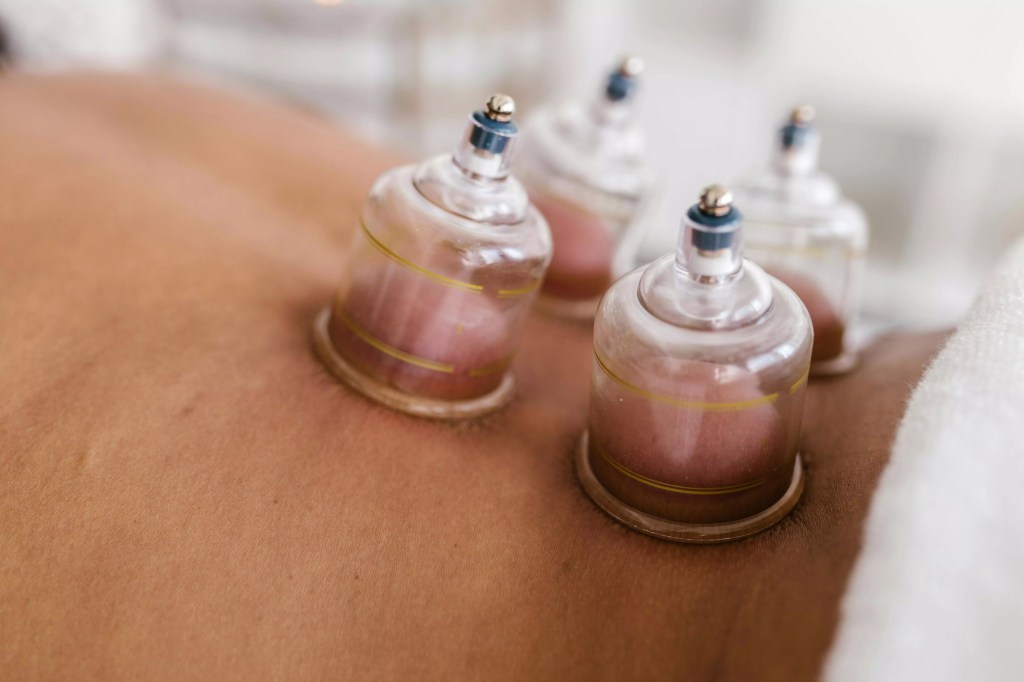
Cupping therapy is an ancient healing technique that has gained traction in modern healthcare for its ability to reduce muscle tension, boost circulation, and aid in recovery. Emerging research now supports the therapeutic benefits of this practice—making it a compelling option for individuals who seek pain relief and enhanced movement.
What Cupping Involves
During a cupping session, a trained practitioner places specialized cups—commonly made of glass, silicone, or plastic—on the surface of the skin and creates gentle suction. This suction elevates the underlying tissue, increasing localized blood flow and promoting drainage of the lymphatic system.
- Dry cupping, where cups remain stationary for several minutes.
- Moving cupping, where cups glide along oiled skin.
- Wet cupping, which includes micro-incisions to draw a small amount of blood—usually only used in clinical settings.
Each approach works by encouraging blood flow and muscle relaxation, but they differ in intensity and application, allowing customization based on patient needs.
How Suction Affects Your Body
The physiological impact of cupping occurs through multiple mechanisms. First, the suction from the cups causes blood vessels to dilate, which enhances circulation in the targeted areas—a change linked to improved tissue repair and reduced soreness. The negative pressure stimulates the lymphatic system, improving drainage and reducing swelling or fluid buildup around injured tissues.
Furthermore, by lifting and decompressing the soft tissue, cupping helps release muscle knots and fascial tightness that often limit movement. Treatment may trigger a reflex response that releases endorphins and influences pathways involved in pain and inflammation control. Collectively, these effects provide a multifaceted foundation for healing and functional improvement.
Supported Conditions
Clinical reviews indicate that cupping may offer benefits in managing several common conditions. For those experiencing chronic neck and back pain, studies suggest that cupping can significantly diminish pain severity compared to no treatment or placebo interventions. Individuals with osteoarthritis, especially in the knees, have shown improvements in joint mobility and reduced discomfort following cupping regimens.
Early evidence also indicates that cupping can alleviate heel pain associated with plantar fasciitis, promoting better range of motion. While research on tension-type headaches is limited, some studies report decreased frequency and intensity of attacks following treatment. Current scientific study results support including cupping as a complementary therapeutic option.
What to Expect in a Cupping Session
When you schedule a cupping appointment, expect a holistic, patient-focused experience that includes the following:
- Cups will be applied to areas of tension or limited mobility for 5–15 minutes, depending on the technique used.
- You might notice circular red marks afterward—these are not bruises in the traditional sense and will fade naturally.
- A follow-up session often includes stretching or movement work to reinforce the therapeutic benefits.
Most patients describe cupping as a relaxing and restorative experience with minimal discomfort and no downtime.
Safety and Suitability
Cupping is generally considered safe when administered by trained professionals. Mild side effects, such as temporary skin discoloration or mild soreness, are common and harmless. However, it’s important to avoid cupping over broken skin, open wounds, or active dermatitis. Pregnant individuals, people on anticoagulants, or those with bleeding disorders should proceed with caution and consult a knowledgeable healthcare provider before undergoing therapy.
Integrating Cupping into a Holistic Wellness Plan
The true value of cupping emerges when used alongside other therapeutic approaches. It works well when coupled with techniques like:
- Chiropractic adjustments to reduce joint restriction that restricts healing.
- Fascial stretch therapy or Instrument-Assisted Soft Tissue Mobilization to further improve tissue mobility.
- Laser therapy to boost cellular repair and recovery.
- Nutritional counseling that supports inflammation reduction from the inside out.
When combined, these therapies can accelerate progress, decrease pain, and improve movement quality.
Is Cupping Right for You?
Cupping therapy may be a strategic addition for individuals experiencing muscular tightness, chronic pain, post-exercise soreness, or restricted movement. It’s a low-risk, non-invasive treatment that serves well as part of an integrated care model. While cupping might not immediately resolve every issue on its own, it often enhances the overall effect of a holistic strategy that includes manual therapy, movement work, and lifestyle adjustments.
Experience Cupping at Optimal Health Institute
If you’re in McMurray, Canonsburg, or the Pittsburgh, PA region and seeking a thoughtful, modern approach to care, consider trying cupping therapy at Optimal Health Institute. Our clinicians are trained to integrate traditional cupping methods with evidence-based practices and complementary modalities—ensuring each session is tailored to your body, health history, and overall goals. Whether you’re seeking reduced tension, improved mobility, or faster recovery, our holistic care pathway is designed to help you feel better faster.
 Optimal Health Institute